
Grandma’s son was at Mason House, Children’s Aid kid jail, as Grandma calls it, at around 14. He was an innocent kid when he entered, not so much on his exit. “Children’s Aid don’t give a fuck about Native kids,” Grandma says. Grandma is reluctant to talk about this time period. She doesn’t want to talk about when the kids got taken in to care.
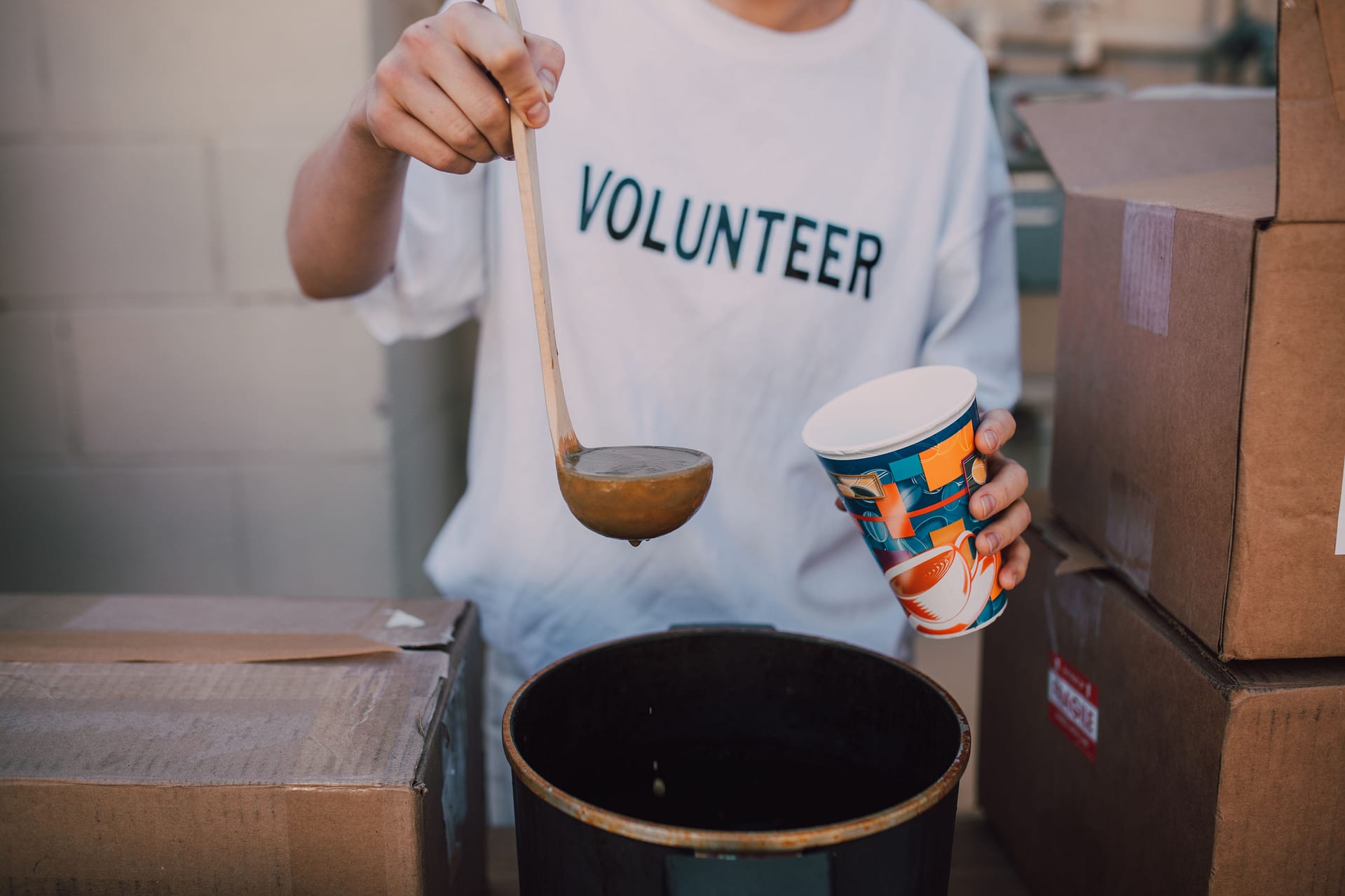
Grandma worked at the soup kitchen for 30 years. She loved her work there. She would do the dishes, serve the meal, cook, take care of the hamper room, do clean up, sweep and mopped floors, everything. Every day was a new day and a new activity, but she was mainly on the main floor.
Grandma wasn’t afraid of the clients, like some of the other staff was. She would march herself right between a fight and pull them apart, reminding them they needed to eat, and that fighting was silly. She would go every day, for thirty years, as a volunteer.
In return, she would get some second hand clothes and toys for the kids, food, thrift store vouchers, and bus tickets. This helped her greatly when she had the grandkids, living on her $100 CAD a month after rent and utilities.
When the oldest granddaughter was around one years old, Grandma started getting a lot of opportunities in the Native community. A sweat lodge. Singing. Drumming. Someone told her the proper way to start dancing was in a ribbon skirt, so she bought the granddaughter one. The granddaughter did all four rounds of her first sweat at one years old. This path helped Grandma in her sobriety, having been sober about two years at that point.
When the kids were little she lived with her son, with Mitch and Sandy living below them. They had a large garage and driveway that fit about seven cars. It was a perfect place to raise a family, according to Grandma. They would all share watching the kids.

Grandma was a client of the soup kitchen for a long time before she started working there. She would be drinking and head there, sneaking in their wine. Sometimes, they would get too intoxicated, stop hiding their booze, and get talked to or kicked out for the day.
She just started cleaning up one day, to show the grandkids that when we come to the soup kitchen and we are thankful, we clean our place and make it look as if we had never been there. While the kids would be eating, she would go up and ask the staff what needed to be done.
One day, the oldest granddaughter said she wanted to wipe tables down too. She was about 5 years old. She took the rag like a professional and scrubbed down the tables. About a month later, her and the youngest grandson asked to mop the floors. They would help right along Grandma, learning from an early age to take care of themselves and their environment, something they later lost.
Mr. O, Grandma’s husband, would do some artwork at the soup kitchen while they ate. Webbing dream catchers, drawing, whatever. He was a tattoo artist at this time. He would also love solving the crossword puzzle from the newspaper, the staff saving it for him.
There would be a special project every year at the soup kicthen around Christmas time, and they would get actual cash in a Christmas card for this job. They would pack all the hygiene bags for people living rough. They would start at closing time at 3 pm, and not finish until 9 pm. They would get to pack a bag for themselves, one time fancy Adidas gear in the bags.
Grandma would take her cash and go to the bar with Mr. O. The mostly Cambodian patrons of the Happy Lucky Chinese restaurant buying her beers that she would then slip over to her husband. Him not jealous, but happy to get his free beer. They had that trust between them, he knew she wasn’t going anywhere. She never did.
Leave a Reply